
Category: Physiological Foundations of Breath Control
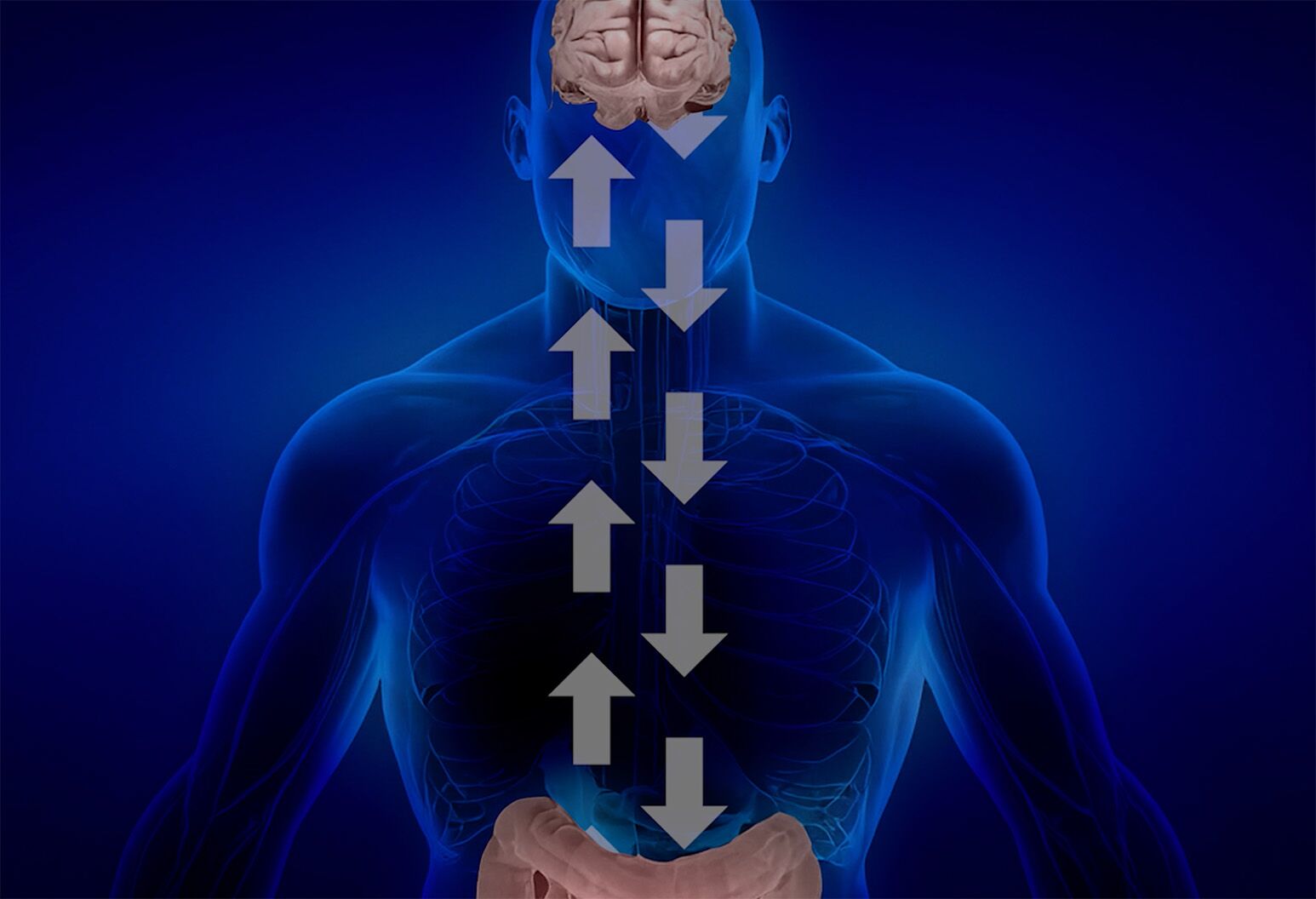
The human nervous system is divided into two primary branches: the sympathetic (fight-or-flight) and the parasympathetic (rest-and-digest). While many bodily functions are automatic, breathing is the unique “manual override” that allows us to influence our internal state. At the heart of this connection is the vagus nerve, the longest cranial nerve in the body, which acts as a two-way communication highway between the brain and the respiratory system.
When we experience stress, our breathing naturally becomes shallow and rapid, signaling the brain to remain in a state of high alert. However, by intentionally slowing the breath and lengthening the exhalation, we stimulate the vagus nerve to send a “safety signal” back to the brain. This physiological shift triggers a decrease in heart rate and a reduction in the production of stress hormones like cortisol. Understanding this biological feedback loop empowers individuals to manage their internal environment. By mastering the science of gas exchange—specifically maintaining optimal carbon dioxide levels—you can improve your threshold for stress, ensuring that your mind remains clear and your body remains calm even under significant pressure.